Gulf Investments Reshape Uzbekistan's Energy Sector with Billions of Dollars
Source: Al Bilad Bahrain (البلاد)
Original summary written by Tharwa from the source above. How we source and correct stories
The story in brief
Gulf investments are creating a new energy landscape in Uzbekistan, with the Central Asian nation becoming a prime destination for Gulf capital, particularly in the energy sector. This surge is driven by extensive economic reforms, rapid growth in electricity demand, and governmental ambitions to become a regional clean energy hub. Saudi Arabia's ACWA Power leads with investments estimated at $15 billion, making Uzbekistan its largest foreign market. The UAE's Masdar has invested over $2 billion in clean energy projects, while Qatar's Nebras Power is developing projects exceeding $3 billion. This reflects growing Gulf confidence in Uzbekistan's economic potential and its strategic move towards clean energy, aiming to become a clean electricity exporter by 2030.
Detailed summary
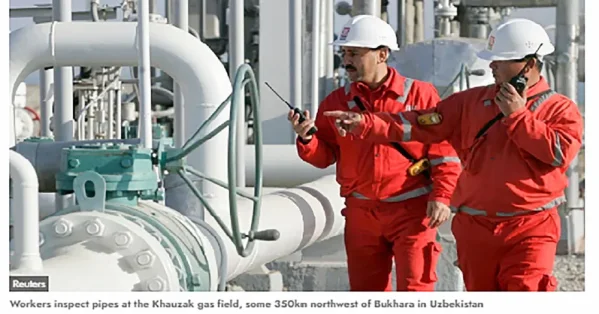
Gulf investments are significantly reshaping Central Asia's energy map, with Uzbekistan emerging as a leading destination for Gulf capital, especially in the energy sector. This trend is fueled by broad economic reforms, a rapid increase in electricity demand, and the Uzbek government's ambition to transform into a regional hub for clean energy. According to a report by Arabian Gulf Business Insights, Gulf investors are committing billions of dollars to modernize Uzbekistan's energy sector, a notable shift from their traditional focus on real estate and global financial markets over previous decades.
Saudi Arabia's ACWA Power is at the forefront of this investment, with Uzbekistan now its largest foreign market. ACWA Power's investments are estimated at $15 billion, encompassing major projects in wind energy, solar power, and green hydrogen, underscoring growing Gulf confidence in Uzbekistan's economic capabilities. The UAE has also strengthened its presence through Masdar, which has invested over $2 billion in clean energy projects. Other Gulf companies and investment funds have entered gas-fired power plant projects, while Qatar's Nebras Power is developing traditional and renewable energy projects valued at over $3 billion, alongside exploring investments in electricity distribution networks.
This expansion coincides with the Uzbek government's comprehensive program to modernize its energy grid, much of which dates back to the Soviet era. This initiative is critical due to a rising population, urban expansion, increasing electricity demand, and dwindling natural gas reserves. The report suggests that investment opportunities extend beyond establishing renewable energy plants to include the complete reconstruction of the energy system, covering transmission and distribution networks, battery energy storage technologies, and data centers that will require increased power capacities in the coming years.
Uzbekistan, benefiting from over 300 sunny days annually, aims to transition from a former gas exporter to a clean electricity supplier by 2030 through the Caspian Sea Green Energy Corridor project, giving its solar energy projects a significant competitive advantage. Economically, indicators are encouraging, with GDP growth of 7.7% recorded in 2025, reaching $147 billion, and the government projecting 8.1% growth in 2026. Moody's and Fitch have both upgraded Uzbekistan's economic ratings, citing structural reforms and improved economic performance.
Despite these positive indicators, the report cautions about persistent challenges, primarily the need to enhance governance and transparency in the energy sector. The economic relationship with Russia, still influential through trade, remittances, and labor movement, also presents a consideration. Experts cited in the report believe that Gulf sovereign wealth funds and major energy companies possess the long-term financing and expertise required to lead this transformation, positioning Uzbekistan as a premier Gulf investment destination in the energy sector for years to come, not only in electricity generation but also in building a fully integrated energy system supporting economic growth and sustainable development.
Background & context
This story sits within Saudi Arabia's broader reform agenda and efforts to grow Energy & Renewables as a pillar of non-oil GDP. The region benefits from supportive energy prices, expansionary government budgets, and rising interest from sovereign wealth funds and foreign investors.
Key numbers & facts
- Saudi Arabia's ACWA Power leads with investments estimated at $15 billion, making Uzbekistan its largest foreign market.
- The UAE's Masdar has invested over $2 billion in clean energy projects, while Qatar's Nebras Power is developing projects exceeding $3 billion.
- ACWA Power's investments are estimated at $15 billion, encompassing major projects in wind energy, solar power, and green hydrogen, underscoring growing Gulf confidence in Uzbekistan's economic capabilities.
- The UAE has also strengthened its presence through Masdar, which has invested over $2 billion in clean energy projects.
- Other Gulf companies and investment funds have entered gas-fired power plant projects, while Qatar's Nebras Power is developing traditional and renewable energy projects valued at over $3 billion, alongside exploring investments in electricity distribution networks.
Key points
- Gulf investments are creating a new energy landscape in Uzbekistan, with the Central Asian nation becoming a prime destination for Gulf capital, particularly in the energy sector.
- This surge is driven by extensive economic reforms, rapid growth in electricity demand, and governmental ambitions to become a regional clean energy hub.
- Saudi Arabia's ACWA Power leads with investments estimated at $15 billion, making Uzbekistan its largest foreign market.
- The UAE's Masdar has invested over $2 billion in clean energy projects, while Qatar's Nebras Power is developing projects exceeding $3 billion.
Why this matters
This matters because activity in Energy & Renewables shapes capital flows, hiring and investor sentiment across Saudi Arabia.
Economic & market impact
Potential impact: - Renewables developers and utilities may see project-pipeline impact.
GCC angle
For the rest of the GCC, this is a signal on the pace of activity in Energy & Renewables. Capital flows and regulatory decisions in one Gulf state typically travel across borders given the similar economic structures and the coordination inside the GCC framework.
Risks & uncertainty
There is uncertainty around the read-through: projections can be moved by swings in oil prices, by US monetary policy tightening that most GCC central banks track via dollar pegs, and by regional geopolitical events. Headline numbers may also be revised when subsequent official data is published.
What happens next?
Watch for upcoming disclosures from listed names in Energy & Renewables, official macro releases for Saudi Arabia, and any commentary from regulators or sovereign wealth funds. Tharwa will refresh this briefing as new public information becomes available.
Sources used
This is an original Tharwa briefing based on the available source material. Read the full article from the publisher.
Tharwa Weekly
One weekly digest of the GCC economy, companies, markets and investment opportunities — clear and concise.