CBK Bars State Property as Collateral for Bank Loans
Source: Al Jarida (الجريدة) — اقتصاد
Original summary written by Tharwa from the source above. How we source and correct stories
The story in brief
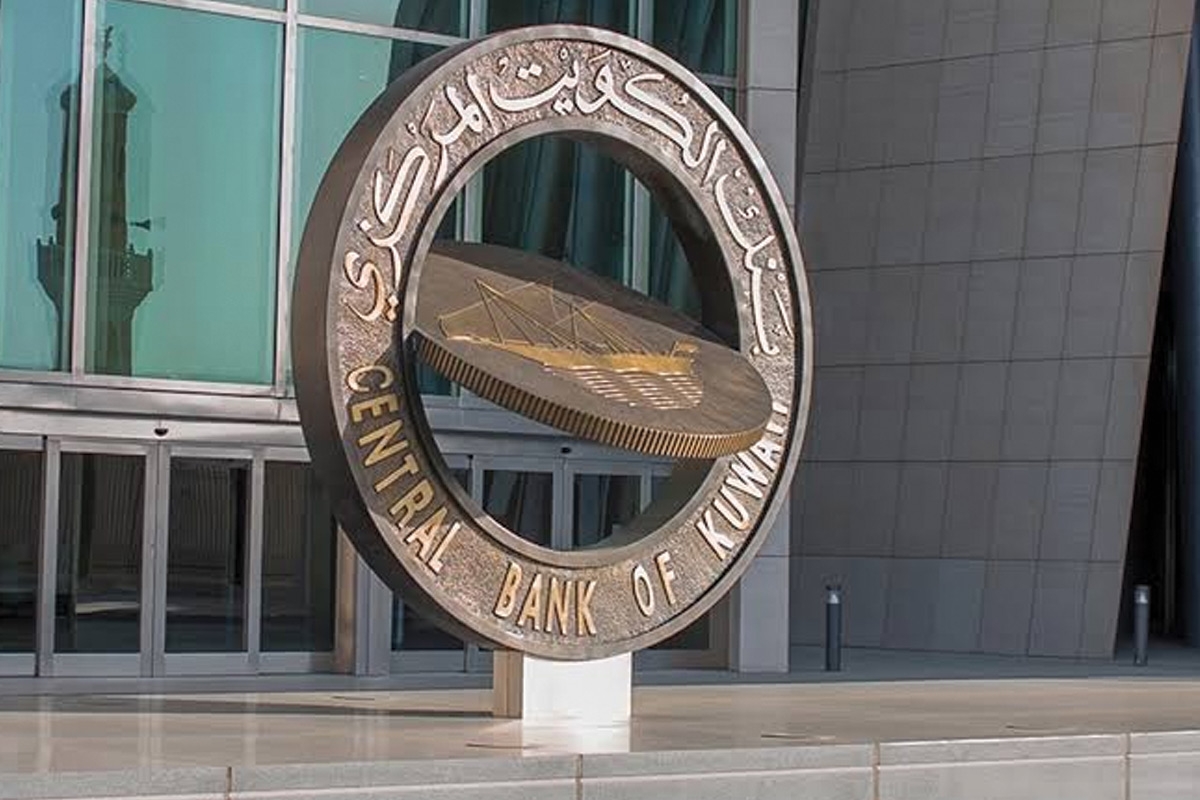
The Central Bank of Kuwait (CBK) has introduced a new policy disallowing state-owned real estate as collateral for banking facilities and loans. This proactive and precautionary measure, aimed at minimizing risks, directs local banks, investment firms, and finance companies to no longer rely on state-owned land or structures as security for credit facilities or client financing. It also stipulates that these properties should not be included in calculated guarantees for regulatory reporting. The CBK emphasized the importance of rationalizing credit and financing policies, assessing existing credit facilities against such guarantees, and potentially requesting additional acceptable collateral to mitigate credit risks and ensure enforceability.
Detailed summary
The Central Bank of Kuwait (CBK) is implementing a new policy within its proactive and precautionary framework, which the banking sector also adopts, concerning real estate pledges and guarantees classified as state property. These will no longer be accepted or categorized as collateral for banking facilities or loans. As part of ongoing reviews primarily aimed at minimizing risks, the CBK has instructed local banks, investment companies, and finance firms not to rely on structures built on state property as guarantees for credit facilities or client financing operations. Furthermore, these assets should not be included in the calculated guarantees for fulfilling relevant regulatory requirements when preparing and submitting periodic reports for future periods.
The Central Bank clarified that these directives are intended to rationalize and regulate credit and financing policies. They also highlight the importance of considering the nature of guarantees provided by beneficiary entities to banks to ensure their ability to reduce credit risks and their enforceability and liquidity when needed. The CBK stressed the importance of conducting a comprehensive evaluation of existing and granted credit facilities against such guarantees, if any, within the framework of prudent practice. This includes assessing the need for additional acceptable guarantees within a sufficient period, as stipulated by instructions regarding the rationalization and regulation of credit and financing policies.
Banking sources confirmed that banks already have prior precautions regarding this issue. They emphasized that facilities are not granted solely against vacant plots; instead, the focus is on the operational nature and cash flows of the facilities built on these plots, such as productive factories. There is a clear distinction between the value of the facility itself and the land as state property. Sources added that in other cases, some companies had included these real estate assets within their general assets, thereby consolidating them into certain company balance sheets. Such cases will now require a review of the value of guarantees after excluding the value of real estate assets identified as state property.
The sources further explained that state property has always been known to be dealt with as a right of usufruct, meaning it cannot be accepted individually or as a sole or primary asset in the equation of pledges and guarantees. They noted that the banks' prior caution and precise technical understanding of this matter make these directives mandatory, solidifying them as fixed principles within regulatory guidelines. It is widely known that state property does not constitute an absolute or inherent right for beneficiary entities; rather, it is a contractual relationship and a usufruct right with a specified term, surrounded by conditions and controls, which is subject to termination either by contract expiry or in case of any violation of the contract terms.
Background & context
This story sits within Kuwait's broader reform agenda and efforts to grow Real estate as a pillar of non-oil GDP. The region benefits from supportive energy prices, expansionary government budgets, and rising interest from sovereign wealth funds and foreign investors.
Key numbers & facts
- No specific figures were provided in the available source. See the original publisher for detailed numbers.
Key points
- The Central Bank of Kuwait (CBK) has introduced a new policy disallowing state-owned real estate as collateral for banking facilities and loans.
- This proactive and precautionary measure, aimed at minimizing risks, directs local banks, investment firms, and finance companies to no longer rely on state-owned land or structures as security for credit facilities or client financing.
- It also stipulates that these properties should not be included in calculated guarantees for regulatory reporting.
- The CBK emphasized the importance of rationalizing credit and financing policies, assessing existing credit facilities against such guarantees, and potentially requesting additional acceptable collateral to mitigate credit risks and ensure enforceability.
Why this matters
This matters because activity in Real estate, Banking, Capital Markets shapes capital flows, hiring and investor sentiment across Kuwait.
Economic & market impact
Potential impact: - Real estate developers and brokers may see changing demand and pricing. - Banks may see shifts in mortgage, project finance and corporate lending pipelines. - Listed GCC equities and indices may see direct trading reaction.
GCC angle
For the rest of the GCC, this is a signal on the pace of activity in Real estate, Banking, Capital Markets. Capital flows and regulatory decisions in one Gulf state typically travel across borders given the similar economic structures and the coordination inside the GCC framework.
Risks & uncertainty
There is uncertainty around the read-through: projections can be moved by swings in oil prices, by US monetary policy tightening that most GCC central banks track via dollar pegs, and by regional geopolitical events. Headline numbers may also be revised when subsequent official data is published.
What happens next?
Watch for upcoming disclosures from listed names in Real estate, Banking, official macro releases for Kuwait, and any commentary from regulators or sovereign wealth funds. Tharwa will refresh this briefing as new public information becomes available.
Sources used
This is an original Tharwa briefing based on the available source material. Read the full article from the publisher.
Tharwa Weekly
One weekly digest of the GCC economy, companies, markets and investment opportunities — clear and concise.