Oman Broadens Investment Landscape with 11 New Fund Categories
Source: Oman Observer — Business
Original summary written by Tharwa from the source above. How we source and correct stories
The story in brief
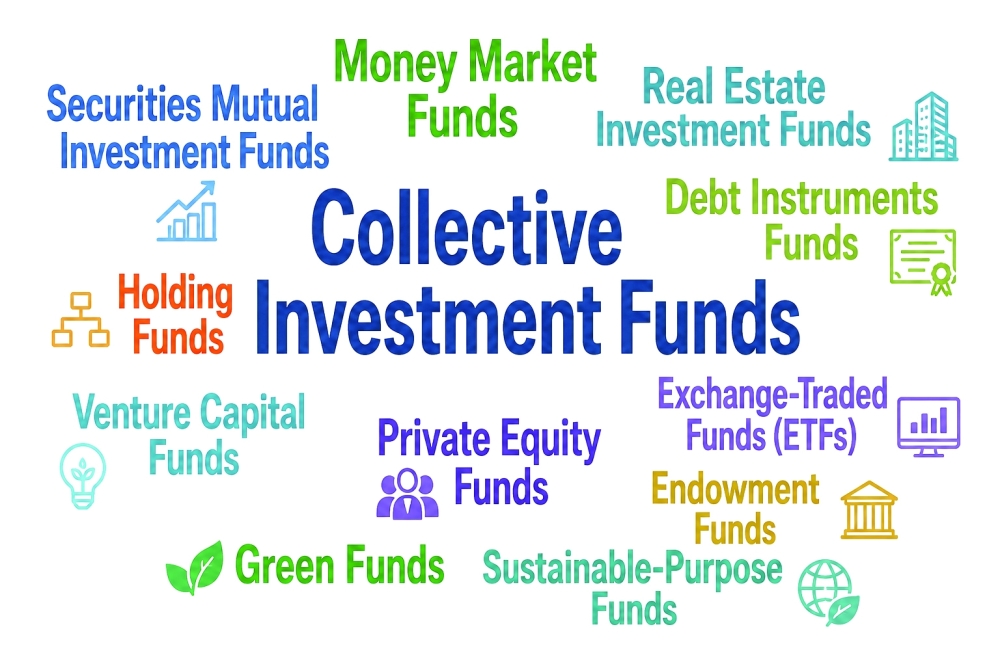
Oman has expanded its collective investment framework by introducing 11 new categories of investment funds under the Executive Regulations of the Securities Law. This initiative aims to deepen the Sultanate's capital markets and align its regulatory regime with international best practices. The Financial Services Authority (FSA) will license and supervise diverse collective investment funds, strengthening investor protection, governance, and market transparency. New categories include securities mutual investment funds, money market funds, real estate investment funds, debt instruments funds, holding funds, exchange-traded funds (ETFs), venture capital funds, private equity funds, endowment funds, green funds, and sustainable-purpose funds, supporting Oman Vision 2040's objectives.
Detailed summary
Oman has significantly expanded its collective investment framework with the introduction of 11 distinct categories of investment funds under the newly issued Executive Regulations of the Securities Law. This marks a major step towards deepening the Sultanate's capital markets and aligning its regulatory regime with international best practices. The new regulations empower the Financial Services Authority (FSA) to license and supervise a diverse range of collective investment funds, creating a legal foundation for new investment products while strengthening investor protection, governance, and market transparency.
Under the regulations, collective investment funds may now be established as securities mutual investment funds, money market funds, real estate investment funds, debt instruments funds, holding funds, exchange-traded funds (ETFs), venture capital funds, private equity funds, endowment funds, green funds, and sustainable-purpose funds. The FSA retains the authority to approve additional fund types as market needs evolve. These reforms represent a substantial evolution from Oman's previous mutual fund regime by formally recognizing several internationally established investment vehicles that had not previously operated under a comprehensive regulatory framework in the Sultanate. The regulations also establish licensing and prudential requirements for the full investment fund ecosystem, including fund managers, investment managers, custodians, trustees, administrators, distributors, and investment advisers.
Each category is expected to play a distinct role in broadening Oman's financial services landscape. Securities mutual investment funds will continue to provide retail and institutional investors with professionally managed diversified portfolios of listed securities. Money market funds will offer low-risk, highly liquid investment options for cash management, benefiting both corporate and institutional investors. Real estate investment funds are expected to channel long-term capital into property development and income-generating real estate assets, while debt instruments funds will expand investment opportunities in government and corporate bonds, sukuk, and other fixed-income securities, helping deepen the domestic debt capital market.
Holding funds will enable strategic investments in corporate assets and subsidiaries, supporting business consolidation and long-term ownership structures. The formal recognition of exchange-traded funds (ETFs) introduces globally popular, low-cost investment vehicles that trade on stock exchanges and can improve market liquidity while giving investors efficient exposure to diversified indices and asset classes. Among the most significant additions are venture capital and private equity funds, which establish a regulatory platform for mobilizing institutional capital into startups, high-growth enterprises, SMEs, and established businesses seeking expansion or restructuring. Their introduction supports Oman Vision 2040's objectives of fostering entrepreneurship, innovation, and economic diversification. The inclusion of endowment funds creates a regulated framework for long-term charitable and institutional investment vehicles, while green funds and sustainable-purpose funds position Oman to capture growing global demand for environmental, social, and governance (ESG) investments. These funds are expected to channel capital into renewable energy, climate-related projects, sustainable infrastructure, and other investments aligned with responsible finance principles. The regulations also provide flexibility for future innovation by allowing the FSA to approve additional categories of collective investment funds as financial markets evolve, potentially paving the way for specialized investment structures in emerging sectors.
Background & context
This story sits within Oman's broader reform agenda and efforts to grow Real estate as a pillar of non-oil GDP. The region benefits from supportive energy prices, expansionary government budgets, and rising interest from sovereign wealth funds and foreign investors.
Key numbers & facts
- No specific figures were provided in the available source. See the original publisher for detailed numbers.
Key points
- Oman has expanded its collective investment framework by introducing 11 new categories of investment funds under the Executive Regulations of the Securities Law.
- This initiative aims to deepen the Sultanate's capital markets and align its regulatory regime with international best practices.
- The Financial Services Authority (FSA) will license and supervise diverse collective investment funds, strengthening investor protection, governance, and market transparency.
- New categories include securities mutual investment funds, money market funds, real estate investment funds, debt instruments funds, holding funds, exchange-traded funds (ETFs), venture capital funds, private equity funds, endowment funds, green funds, and sustainable-purpose funds, supporting Oman Vision 2040's objectives.
Why this matters
This matters because activity in Real estate, Capital Markets shapes capital flows, hiring and investor sentiment across Oman.
Economic & market impact
Potential impact: - Real estate developers and brokers may see changing demand and pricing. - Listed GCC equities and indices may see direct trading reaction.
GCC angle
For the rest of the GCC, this is a signal on the pace of activity in Real estate, Capital Markets. Capital flows and regulatory decisions in one Gulf state typically travel across borders given the similar economic structures and the coordination inside the GCC framework.
Risks & uncertainty
There is uncertainty around the read-through: projections can be moved by swings in oil prices, by US monetary policy tightening that most GCC central banks track via dollar pegs, and by regional geopolitical events. Headline numbers may also be revised when subsequent official data is published.
What happens next?
Watch for upcoming disclosures from listed names in Real estate, Capital Markets, official macro releases for Oman, and any commentary from regulators or sovereign wealth funds. Tharwa will refresh this briefing as new public information becomes available.
Sources used
This is an original Tharwa briefing based on the available source material. Read the full article from the publisher.
Tharwa Weekly
One weekly digest of the GCC economy, companies, markets and investment opportunities — clear and concise.