UAE-Russia Trade in Services and Investment Agreement enters into force
Source: Gulf News
Original summary written by Tharwa from the source above. How we source and correct stories
The story in brief
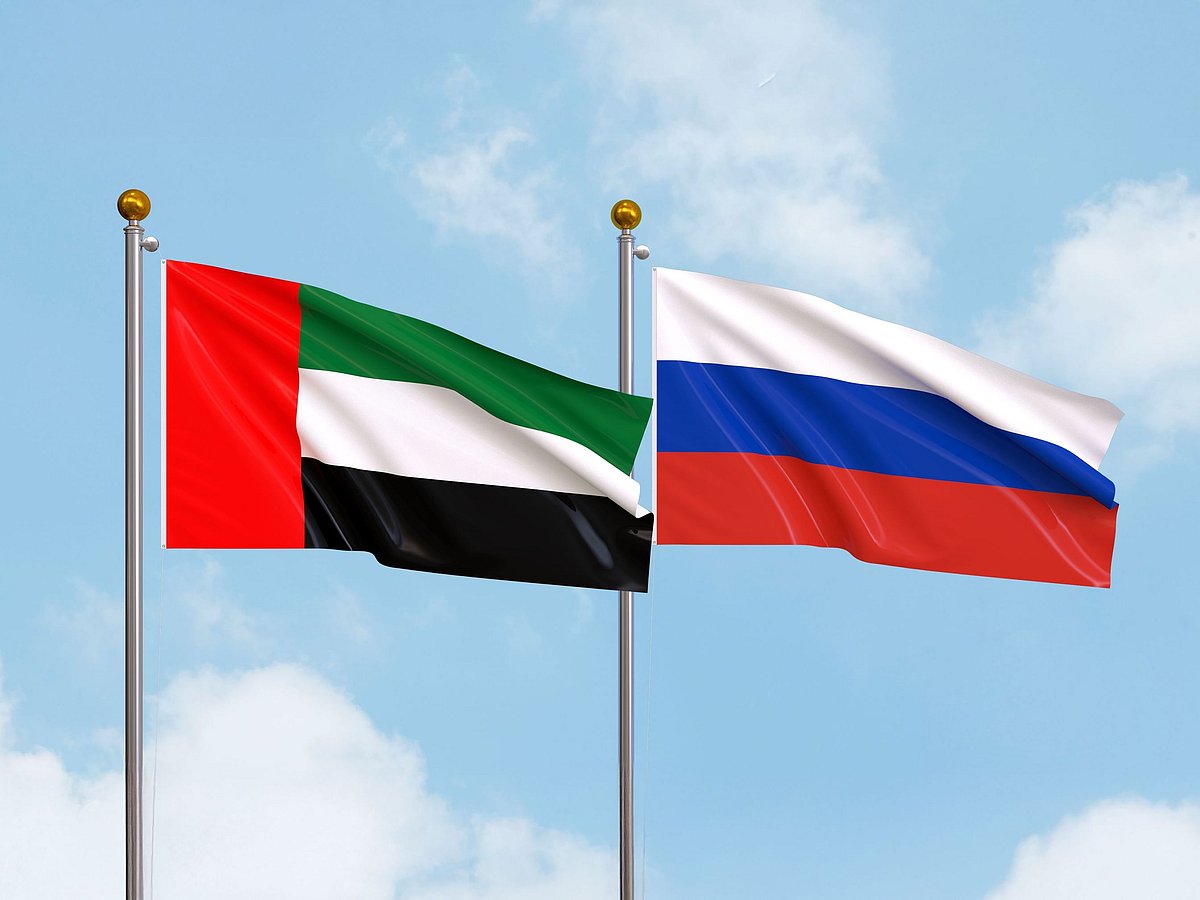
UAE-Russia Trade in Services and Investment Agreement enters into force Abu Dhabi: The Trade in Services and Investment Agreement (TISIA) between the United Arab Emirates and the Russian Federation has officially entered into force, marking a significant advancement in bilateral economic relations. Together, the two agreements establish a comprehensive architecture governing trade in goods, services and investment between the UAE and Russia.. Al Zeyoudi said: "The entry into force of the UAE-Russia TISIA, alongside the Economic Partnership Agreement with the EAEU, represents the full activation of a comprehensive trade and investment framework that will unlock significant opportunities for businesses and investors in both nations.
Detailed summary
UAE-Russia Trade in Services and Investment Agreement enters into force Abu Dhabi: The Trade in Services and Investment Agreement (TISIA) between the United Arab Emirates and the Russian Federation has officially entered into force, marking a significant advancement in bilateral economic relations. The agreement will facilitate greater market access for services exports, strengthen protections for investors and create new opportunities for private sector collaboration across high-growth services sectors..The TISIA was signed on 8 August 2025 in Moscow on the sidelines of the visit of President His Highness Sheikh Mohamed bin Zayed Al Nahyan to Russia, bin Ahmed Al Zeyoudi, UAE Minister of Foreign Trade, and Maxim Reshetnikov, Russian Minister of Economic Development..Get updated faster and for FREE: Download the Gulf News app now - simply click here..The agreement provides a dedicated bilateral framework focused specifically on services and investment, complementing the Economic Partnership Agreement between the UAE and the Eurasian Economic Union (EAEU), which covers trade in goods at the regional level. Together, the two agreements establish a comprehensive architecture governing trade in goods, services and investment between the UAE and Russia.. Al Zeyoudi said: "The entry into force of the UAE-Russia TISIA, alongside the Economic Partnership Agreement with the EAEU, represents the full activation of a comprehensive trade and investment framework that will unlock significant opportunities for businesses and investors in both nations. Russia is a major economic partner for the UAE, with bilateral non-oil trade reaching US$20.4 billion in 2025, and this agreement will deepen collaboration across priority services sectors including fintech, healthcare, transport, logistics and professional services, driving long-term, sustainable growth and shared prosperity.".The TISIA aims to bolster collaboration across various high-growth services sectors and by establishing clear rules and protections for services trade and cross-border investment, the agreement will reduce barriers to market entry, facilitate the movement of professionals and create a more predictable environment for businesses operating across both markets..The bilateral trade relationship between the UAE and Russia has demonstrated exceptional growth in recent years. Non-oil trade reached US$20.4 billion in 2025, a 77.7% increase compared to 2024 and nearly double the 2022 level of US$10.8 billion.
Background & context
This story sits within UAE's broader reform agenda and efforts to grow Aviation as a pillar of non-oil GDP. The region benefits from supportive energy prices, expansionary government budgets, and rising interest from sovereign wealth funds and foreign investors.
Key numbers & facts
- Russia is a major economic partner for the UAE, with bilateral non-oil trade reaching US$20.4 billion in 2025, and this agreement will deepen collaboration across priority services sectors including fintech, healthcare, transport, logistics and professional services, driving long-term, sustainable growth and shared prosperity.".The TISIA aims to bolster collaboration across various high-growth services sectors and by establishing clear rules and protections for services trade and cross-border investment, the agreement will reduce barriers to market entry, facilitate the movement of professionals and create a more predictable environment for businesses operating across both markets..The bilateral trade relationship between the UAE and Russia has demonstrated exceptional growth in recent years.
- Non-oil trade reached US$20.4 billion in 2025, a 77.7% increase compared to 2024 and nearly double the 2022 level of US$10.8 billion.
Key points
- UAE-Russia Trade in Services and Investment Agreement enters into force Abu Dhabi: The Trade in Services and Investment Agreement (TISIA) between the United Arab Emirates and the Russian Federation has officially entered into force, marking a significant advancement in bilateral economic relations.
- Together, the two agreements establish a comprehensive architecture governing trade in goods, services and investment between the UAE and Russia..
- Al Zeyoudi said: "The entry into force of the UAE-Russia TISIA, alongside the Economic Partnership Agreement with the EAEU, represents the full activation of a comprehensive trade and investment framework that will unlock significant opportunities for businesses and investors in both nations.
Why this matters
This matters because activity in Aviation shapes capital flows, hiring and investor sentiment across UAE.
Economic & market impact
Potential impact: - Carriers, airports and MRO providers could see traffic and capex effects.
GCC angle
For the rest of the GCC, this is a signal on the pace of activity in Aviation. Capital flows and regulatory decisions in one Gulf state typically travel across borders given the similar economic structures and the coordination inside the GCC framework.
Risks & uncertainty
There is uncertainty around the read-through: projections can be moved by swings in oil prices, by US monetary policy tightening that most GCC central banks track via dollar pegs, and by regional geopolitical events. Headline numbers may also be revised when subsequent official data is published.
What happens next?
Watch for upcoming disclosures from listed names in Aviation, official macro releases for UAE, and any commentary from regulators or sovereign wealth funds. Tharwa will refresh this briefing as new public information becomes available.
Sources used
This is an original Tharwa briefing based on the available source material. Read the full article from the publisher.
Tharwa Weekly
One weekly digest of the GCC economy, companies, markets and investment opportunities — clear and concise.