OIA's investment strategy puts 'Omani dimension' first
Source: Oman Observer — Business
The story in brief
MUSCAT: Oman Investment Authority (OIA) is increasingly measuring the success of its investments not only by the financial returns they generate, but also by the economic value the... An overseas investment, for example, can potentially serve as a conduit for bringing manufacturing, technology, expertise or commercial relationships back to the Sultanate. This philosophy is also reflected in OIA's earlier articulation of what it called an “Omani angle” for international investments. Al Murshidi has previously said the Authority was seeking to reduce certain direct overseas investments unless they could contribute to developing important sectors of the Omani economy. The strategy is playing out domestically through a sizeable pipeline of new projects.
Detailed summary
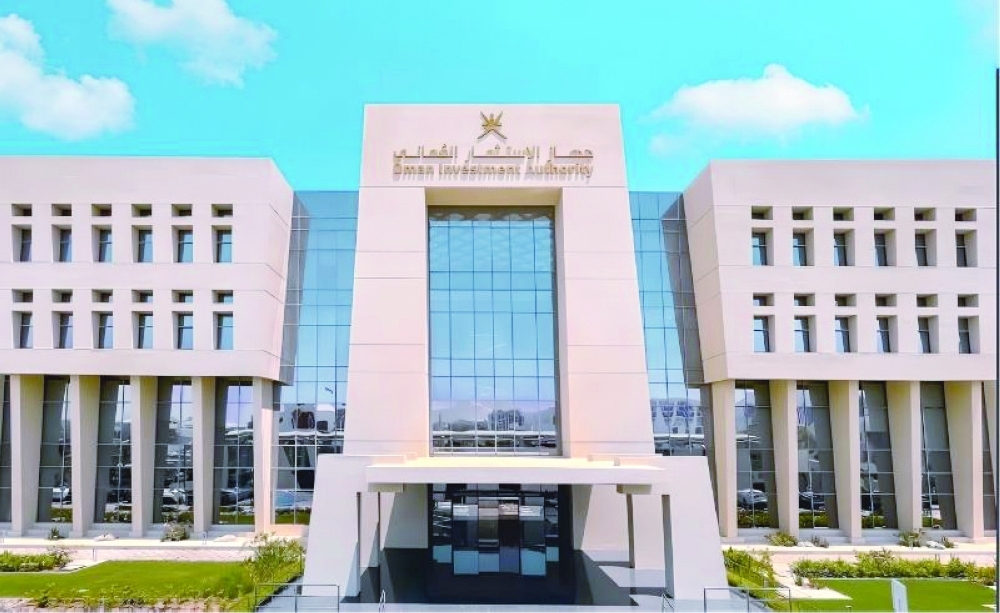
MUSCAT: Oman Investment Authority (OIA) is increasingly measuring the success of its investments not only by the financial returns they generate, but also by the economic value the... MUSCAT: Oman Investment Authority (OIA) is increasingly measuring the success of its investments not only by the financial returns they generate, but also by the economic value they create inside the Sultanate of Oman, under an approach described by its President Abdulsalam bin Mohammed al Murshidi as the “Omani dimension” of investment.The principle places economic diversification, local content, employment, technology transfer and the development of domestic businesses alongside commercial returns when OIA evaluates investments, Al Murshidi said in a recent interview to a city publication.The approach reflects OIA's dual role as a sovereign investor charged with generating sustainable returns while simultaneously supporting national development and the objectives of Oman Vision 2040.Under the “Omani dimension”, investments are assessed for their potential to generate opportunities for Omani companies and small and medium enterprises, create jobs, localise industries and supply chains; and facilitate the transfer of knowledge, technology and expertise into the domestic economy.In effect, the policy means that an investment's value to Oman can extend well beyond dividends and capital appreciation. An overseas investment, for example, can potentially serve as a conduit for bringing manufacturing, technology, expertise or commercial relationships back to the Sultanate. This philosophy is also reflected in OIA's earlier articulation of what it called an “Omani angle” for international investments. Al Murshidi has previously said the Authority was seeking to reduce certain direct overseas investments unless they could contribute to developing important sectors of the Omani economy. The strategy is playing out domestically through a sizeable pipeline of new projects. Al Murshidi said OIA aims to introduce development investments worth around RO 2 billion annually, helping stimulate non-oil economic activity and creating opportunities for private businesses.Four strategic industrial projects launched since the start of the 11th Five-Year Plan alone represent investment exceeding RO 935 million ($2.43 billion) and are expected to create more than 1,850 jobs. Priority areas increasingly include advanced manufacturing, renewable-energy supply chains, specialty chemicals, polysilicon and battery technologies.Local procurement represents another major expression of the Omani-dimension philosophy. OIA has expanded the mandatory list of locally produced goods and services purchased by its portfolio companies from 103 to 384 products and services, generating cumulative domestic expenditure exceeding RO 250 million.Support for SMEs has similarly been embedded in procurement policies.
Background & context
This story sits within Oman's broader reform agenda and efforts to grow Technology as a pillar of non-oil GDP. The region benefits from supportive energy prices, expansionary government budgets, and rising interest from sovereign wealth funds and foreign investors.
Key numbers & facts
- Al Murshidi said OIA aims to introduce development investments worth around RO 2 billion annually, helping stimulate non-oil economic activity and creating opportunities for private businesses.Four strategic industrial projects launched since the start of the 11th Five-Year Plan alone represent investment exceeding RO 935 million ($2.43 billion) and are expected to create more than 1,850 jobs.
- OIA has expanded the mandatory list of locally produced goods and services purchased by its portfolio companies from 103 to 384 products and services, generating cumulative domestic expenditure exceeding RO 250 million.Support for SMEs has similarly been embedded in procurement policies.
Key points
- MUSCAT: Oman Investment Authority (OIA) is increasingly measuring the success of its investments not only by the financial returns they generate, but also by the economic value the...
- An overseas investment, for example, can potentially serve as a conduit for bringing manufacturing, technology, expertise or commercial relationships back to the Sultanate.
- This philosophy is also reflected in OIA's earlier articulation of what it called an “Omani angle” for international investments.
- Al Murshidi has previously said the Authority was seeking to reduce certain direct overseas investments unless they could contribute to developing important sectors of the Omani economy.
Why this matters
This matters because activity in Technology shapes capital flows, hiring and investor sentiment across Oman.
Economic & market impact
Potential impact: - Tech founders, VCs and digital platforms may see knock-on funding or adoption effects.
GCC angle
For the rest of the GCC, this is a signal on the pace of activity in Technology. Capital flows and regulatory decisions in one Gulf state typically travel across borders given the similar economic structures and the coordination inside the GCC framework.
Risks & uncertainty
There is uncertainty around the read-through: projections can be moved by swings in oil prices, by US monetary policy tightening that most GCC central banks track via dollar pegs, and by regional geopolitical events. Headline numbers may also be revised when subsequent official data is published.
What happens next?
Watch for upcoming disclosures from listed names in Technology, official macro releases for Oman, and any commentary from regulators or sovereign wealth funds. Tharwa will refresh this briefing as new public information becomes available.
Sources used
This is an original Tharwa briefing based on the available source material. Read the full article from the publisher.
Tharwa Weekly
One weekly digest of the GCC economy, companies, markets and investment opportunities — clear and concise.